Have you ever felt a deep stirring in your heart to communicate the hope of Jesus Christ with a friend, but found yourself wondering exactly how to articulate the message? Evangelism and the Gospel sit at the absolute center of the Christian calling, serving as the practical execution of the Great Commission delivered in Matthew 28:19-20: “Go and make disciples of all nations, baptizing them in the name of the Father and of the Son and of the Holy Spirit, and teaching them to obey everything I have commanded you.”
This universal mission commands every individual believer to actively proclaim the Gospel—the objective historical good news of rescue, reconciliation, and restoration achieved through the substitutionary death and victorious resurrection of Jesus Christ. In this comprehensive guide, we will unpack the missiological foundations of evangelism, explore the core elements of the message, and detail practical, effective methods to deliver this universal offer to free moral agents today.
Defining the Core Terms: Proclamation and Message
Within missiology, evangelism and the gospel operate as two distinct parts of a singular communicative action: evangelism is the active human method of delivery, while the Gospel is the precise, unalterable content being delivered.
The Content: Euangelion (εὐαγγέλιον): The Greek noun euangelion literally translates as “good news” or “glad tidings of victory.” In the classical Roman world, an euangelion was an official, public announcement delivered by a herald bringing news of a military triumph or the ascension of a new king. In the New Testament context, this good news is the historical reality that Jesus Christ has triumphed over sin, death, and chaos, offering full justification and eternal life to any who choose to believe. As Romans 1:16 declares, “I am not ashamed of the gospel, because it is the power of God that brings salvation to everyone who believes.”
The Action: Evangelism: Evangelism is the verbal and active proclamation of this historical triumph to other people, accompanied by an authentic invitation to respond in faith. It is a universal call issued to the entire body of Christ, empowered by the indwelling Holy Spirit according to the blueprint of Acts 1:8: “You will receive power when the Holy Spirit comes on you; and you will be my witnesses… to the ends of the earth.”
The Cultural Context of Euangelion: A Counter-Imperial Proclamation
To fully comprehend the radical nature of the early church’s missiology, biblical scholarship must evaluate the historical and political landscape of the 1st-century Greco-Roman world. The New Testament authors did not invent the word euangelion; they strategically hijacked a highly charged secular and political term.
In the Roman Empire, an euangelion was a formal, public announcement dispatched from the imperial court. It officially heralded good news regarding the Emperor—such as a military triumph over a foreign adversary, the birth of an imperial heir, or the political ascension of a new Caesar. These declarations were inextricably bound up with the cult of emperor worship, framing Caesar as the divine savior who brought peace (Pax Romana) to the known world through military subjugation.
When the early apostles entered public marketplaces and proclaimed the euangelion of Jesus Christ, they were issuing a peaceful yet uncompromising theological counter-narrative to imperial propaganda. Their heraldic announcement declared that true peace, cosmic order, and universal liberation did not flow from the coercive sword of a Roman dictator, but from the self-sacrificial death and victorious resurrection of an uncoerced Savior.
By utilizing this specific terminology, early evangelism framed the choice to follow Christ as a deliberate, volitional shift in allegiance. Believers were invited to step out of the restrictive, fear-driven systems of worldly empires and enter into the spacious, life-giving kingdom of God.
Anatomy of the Gospel Message: The Kerygma
To execute evangelism effectively, a believer must understand the structural anatomy of the Kerygma (the core apostolic proclamation). The Gospel is not a vague philosophy of self-improvement; it is an announcement of historical facts that demand a personal, volitional response.
According to Paul’s blueprint in 1 Corinthians 15:3-4, the message contains four foundational elements:
1. Christ Died for Our Sins ---> 2. He Was Buried ---> 3. He Was Raised on the Third Day ---> 4. He Appeared to Witnesses
The Reality of Universal Separation: The message begins by diagnosing the human condition. Romans 3:23 establishes the universal crisis: “For all have sinned and fall short of the glory of God.” Sin is a deliberate turning away from the nature of God, resulting in structural spiritual death and confinement.
The Substitutionary Sacrifice: Romans 5:8 demonstrates the absolute baseline of divine provision: “But God demonstrates his own love for us in this: While we were still sinners, Christ died for us.” On the cross, Jesus took the legal consequences of human transgression upon Himself.
The Power of the Resurrection: The proclamation does not end at the grave. The historical reality that Christ was raised on the third day guarantees structural victory over death and chaos, validating the sufficiency of His sacrifice.
The Universal Invitation: Because the provision is unlimited, the message concludes with an authentic call to human agency. Romans 10:13 delivers an unrestricted promise: “Everyone who calls on the name of the Lord will be saved.”
Structural Methods: How to Share the Gospel Effectively
Because the Gospel is an open invitation delivered to free moral agents, evangelism methods must combine theological clarity with relational authenticity. Missiologists categorize effective sharing into several distinct structural approaches:
1. The Romans Road Framework
A classical, highly effective systematic approach utilizing a clear sequence of verses from the Book of Romans to build a logical case for salvation:
- Romans 3:23: Identifies the universal problem (Sin).
- Romans 6:23: Exposes the legal consequences (Death vs. the Gift of life).
- Romans 5:8: Reveals the divine provision (Christ’s substitution).
- Romans 10:9-10: Commands the personal, volitional response (Confession of Lordship and belief in the heart).

2. Relational and Personal Testimony
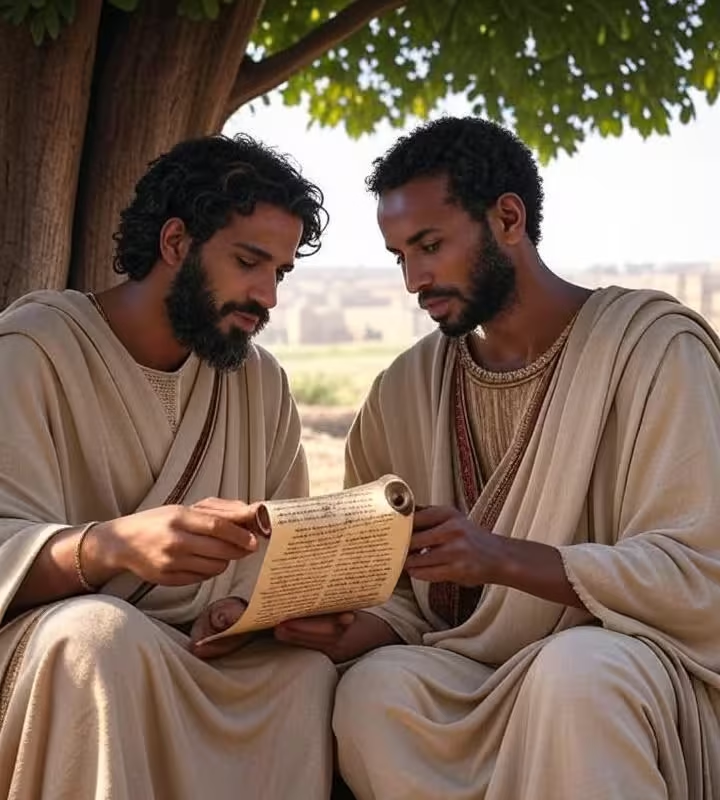
Following the narrative model of Jesus interacting with individuals like Zacchaeus (Luke 19:1-10), this method focuses on building long-term, authentic relationships. A believer uses their personal story of redemption to demonstrate the practical, somatic benefits of salvation—showing how grace broke the power of disordered appetites in their own life, making the abstract gospel relatable.
3. Visual and Pedagogical Tools
For specific demographics or cross-cultural contexts, utilizing tactile tools can bypass linguistic barriers. An excellent historical example is the Evangecube, a physical, multi-paneled folding cube that unfolds in a fixed geometric sequence to visually illustrate the separation of man, the cross of Christ, the burial, and the resurrection. This provides an engaging, structural timeline that sharpens user focus.
The Paul at the Areopagus Blueprint: Engaging Free Moral Agents
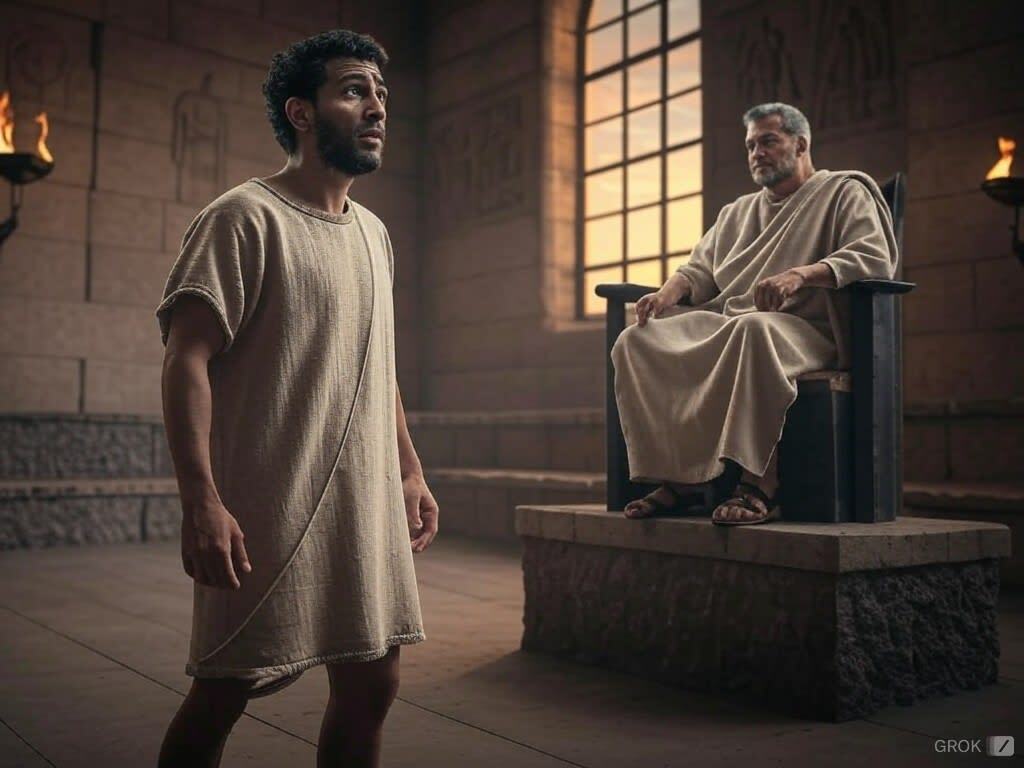
The narrative of the Apostle Paul addressing the Athenian philosophers at the Areopagus (Acts 17:16–34) serves as the premier scriptural model for culturally sensitive, apologetic evangelism. Paul does not initiate his presentation with coercive rhetoric or mechanical mandates; instead, he engages the Athenians as free moral agents possessing inherent relational and intellectual capacity.
Observe Cultural Space ---> Identify Redemptive Bridge ---> Proclaim Universal Provision ---> Call for Volitional Response
Paul’s systematic approach unfolds across four clear missiological phases:
- Cultural Observation: Paul carefully evaluates the Athenian environment, identifying a bridge of general revelation via their altar dedicated “To an unknown god.”
- Affirming Intrinsic Dignity: He quotes their own pagan poets (Aratus and Epimenides), validating their natural human longing to connect with the divine source of life.
- Correcting Misconceptions: He directly challenges their polytheistic framework, defining God not as a dependent idol crafted by human hands, but as the transcendent, self-existent Creator who gives life and breath to all things.
- The Universal Offer: Paul concludes by presenting the historical reality of the resurrection, issuing a sincere, non-deterministic call for all men everywhere to repent. This blueprint demonstrates that biblical evangelism honors human agency by offering rational, historically grounded truth that demands a voluntary pivot of the will.
The Indispensable Role of the Holy Spirit
True biblical evangelism is never an exercise in human oratorical manipulation or psychological coercion. It is a synergistic work where the human proclaimer acts in cooperation with the primary ministry of the Holy Spirit:
Prevenient Cultivation: The Holy Spirit goes before the evangelist, cultivating the soil of the listener’s heart, exposing the emptiness of disordered appetites, and preparing the receptive faculties of the soul (nephesh).
Conviction of the Conscience: As the Word of God is proclaimed, the Holy Spirit actively convicts the listener of sin, righteousness, and imminent judgment (John 16:8), translating the external audible message into internal moral illumination.
Empowerment for Boldness: The Spirit provides the human messenger with supernatural boldness, wisdom, and cultural sensitivity, enabling them to stand as authentic witnesses in pluralistic or hostile environments (Acts 4:31).
Reflect on Matthew 28:19-20 today and take one step to share the Gospel. Explore resources at the Billy Graham Institute to grow in faith. Let God’s good news shine through you.