What Is the Rapture: A Technical Study of Eschatological Systems
The historical and academic exploration of Christian eschatology requires a careful untangling of terms, texts, and timelines, particularly when addressing the high-volume query: what is the rapture? In modern popular culture, this event is frequently depicted as a sudden, dramatic disappearance of millions of individuals, leaving a chaotic world behind to face immediate tribulation.
Within the rigorous domain of biblical analysis, however, the concept demands a far more precise definition. It refers to a specific theological framework concerning the gathering of living believers to meet Jesus Christ at His return. Rather than representing a universally agreed-upon historical doctrine, the interpretation of this event serves as the primary dividing line between major interpretive models of the end times, making it a critical case study in how presuppositions dictate the reading of prophetic literature.
The Hermeneutical Systems: What is the Rapture timeline
To fundamentally comprehend the mechanical functions of end-times theology, an investigator must evaluate the primary systems of interpretation that govern how scholars assemble the sequence of prophetic events. Each system views the structural plan of redemption through a distinct lens, determining whether the gathering of the church is an event isolated from general history or the definitive climax of the cosmos.
1. Pre-Tribulational Dispensationalism: The Two-Stage Return
Dispensationalism is the system most responsible for the modern western presentation of a two-stage return of Christ. Developed significantly in the nineteenth century, this view hinges on a strict distinction between God’s plan for national Israel and His plan for the multi-ethnic Church.
- The Mechanical Sequence: In this framework, the gathering of the church occurs secretly prior to a seven-year period of global judgment known as the Danielic 70th week. This layout allows the prophetic clock to restart exclusively for national Israel, culminating in a literal thousand-year earthly reign of Christ.
- The Hermeneutical Baseline: This model demands a consistently literal interpretation of Old Testament prophecies. It assumes that covenants made with Abrahamic descendants must be fulfilled physically and nationally, rather than spiritually or allegorically through the international body of faith.
2. Mid-Tribulational and Partial Rapture Frameworks
Nesting within the dispensational structure are modifications designed to reconcile difficult text nodes regarding the timing of the cosmic trumpets.
- The Mid-Tribulation Pivot: This model posits that the church endures the first 3.5 years of the final week—characterized by human persecution and political realignment—but is snatched away before the outpourings of absolute divine wrath.
- The Partial Model: A highly specific sub-theory suggests that only spiritually mature, vigilant believers are caught up in the initial wave, while compromised or apathetic Christians are left behind to endure the fires of purification.
3. Historic Premillennialism: The Post-Tribulational Gather
Unlike its dispensational counterpart, Historic Premillennialism does not see a clean administrative division between Israel and the Church. This system represents the older, patristic view of the early centuries of Christian thought.
- The Single Event: In this model, the church is not exempted from global suffering or systemic testing. The gathering of living believers occurs simultaneously with the visible, public second coming of Christ at the absolute end of the final tribulation.
- The Classical Hope: Believers endure the period of trial, and their transformation in the air functions as a triumphal entry escorting the returning King down to the earth to initiate His millennial governance.
4. Amillennialism and Postmillennialism: Covenantal Realized Views
Amillennialism and Postmillennialism reject the idea of a literal, future thousand-year earthly kingdom following a physical return. Instead, they interpret the millennium of apocalyptic literature as a symbolic description of the current church age or an era of gospel victory.
- The Unified Consummation: Within these systems, the gathering described by the apostles is simply a feature of the final, single day of resurrection and general judgment. There is no complex multi-stage chart; history moves directly from the current age to the eternal state.
The Philological Core: Harvesting the Latin Vocabulary
Though the term does not appear in modern English translations of the scriptures, the word itself possesses a deep philological heritage that tracks through the translation history of the Mediterranean world.
1. The Greek Original: Harpazō (ἁρπάζω)
The structural pivot point for the doctrine is found in the classic Pauline letter to the Thessalonians, where the apostle states that living believers will be “caught up” together in the clouds.
- The Lexical Force: The Greek verb utilizing this action is harpazō. In classical and Hellenistic Greek, this word carries a high-energy, forceful meaning. It signifies “to seize by force,” “to snatch away quickly,” or “to claim for oneself with haste.” It is the action of a predatory eagle grabbing its prey or a rescue team snatching a victim out of immediate peril.
- Linguistic Evolution: This active verbal root indicates a sudden, non-negotiable divine intervention into the physical plane. For advanced students of textual history, a deep commitment to learning biblical Hebrew and Greek frameworks is necessary to notice how harpazō shifts from an active rescue verb in secular literature to a technical eschatological mechanic in the apostolic letters.
2. The Latin Translation: Rapio (Rapturo)
When the early western church translated the Greek manuscripts into Latin to produce the Vulgate, the scholar Jerome had to select a word that captured the sudden, forceful nature of harpazō.
- The Textual Source: Jerome utilized the Latin verb rapio, specifically the passive form rapiemur, meaning “we shall be snatched away.” From the participle form of this Latin verb—raptura—the English language derived the noun “Rapture.”
- The Lexical Legacy: Therefore, the word is not an invention of modern media but a literal phonetic continuation of the historic Latin text used by the western church for over a millennium. It describes the physical locomotion of human bodies from the earthly sphere into the celestial presence by an act of sovereign power.

The Core Textual Evidence: Exegesis of the Primary Passages
An academic answer to the question must look past speculative charts and isolate the primary texts where the mechanics of this event are structurally detailed.
1. First Thessalonians 4:13–18: The Direct Mechanics
This passage serves as the foundational legal text for the entire doctrine. Paul is writing to a community mourning the unexpected deaths of their members, fearing that those who died would miss the triumph of Christ’s return.
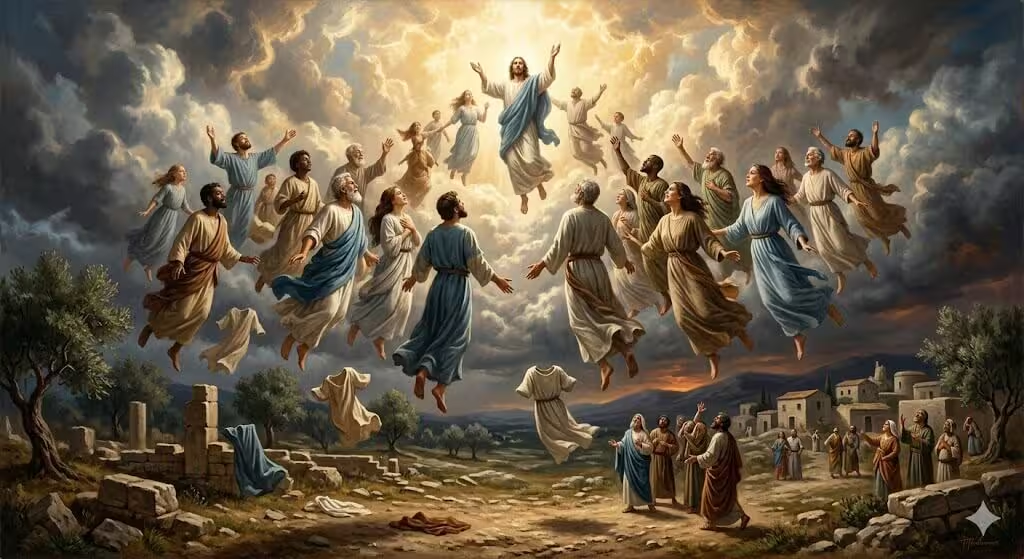
- The Technical Sequence: The apostle establishes a chronological order to solve this pastoral crisis. First, the dead in Christ rise from their graves. Second, the living believers are harpazō (caught up) simultaneously with them into the clouds to meet the Lord in the air.
- The Royal Context: The text utilizes the Greek word apantesis for “meet.” In ancient civic life, this was a technical term. When a Roman emperor or king approached a city, the honorable citizens would march out of the gates to “meet” (apantesis) him in the open countryside, officially escorting him back into their city. Historic premillennialists use this philological datum to argue that the gathering is not a secret retreat to heaven, but an advance escort welcoming the King to earth.
2. First Corinthians 15:51–53: The Somatic Metamorphosis
In this discussion of resurrection architecture, Paul introduces what he terms a “mystery”—a theological truth previously obscured but now technically revealed.
- The Velocity of Change: He notes that “we shall not all sleep, but we shall all be changed, in a moment, in the twinkling of an eye, at the last trumpet.” The reference to an “atom of time” (atomos) emphasizes that the transformation is instantaneous.
- The Structural Upgrade: The body moves from mortal to immortal, corruptible to incorruptible. This physical alteration is required because human biology in its current state is unequipped to handle the immediate, unfiltered weight of the divine presence.
3. Matthew 24:36–44: The Structural Analogy of Noah
Dispensational commentators frequently point to Christ’s olivet discourse, where “one will be taken and one left” to support an unexpected extraction of believers.
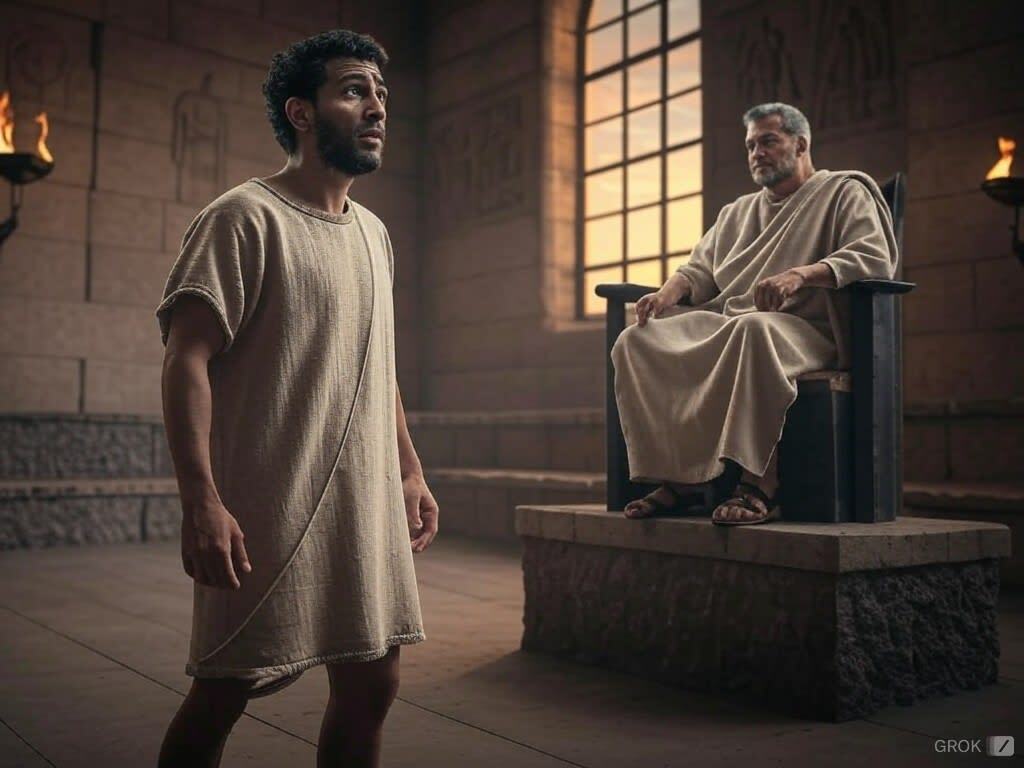
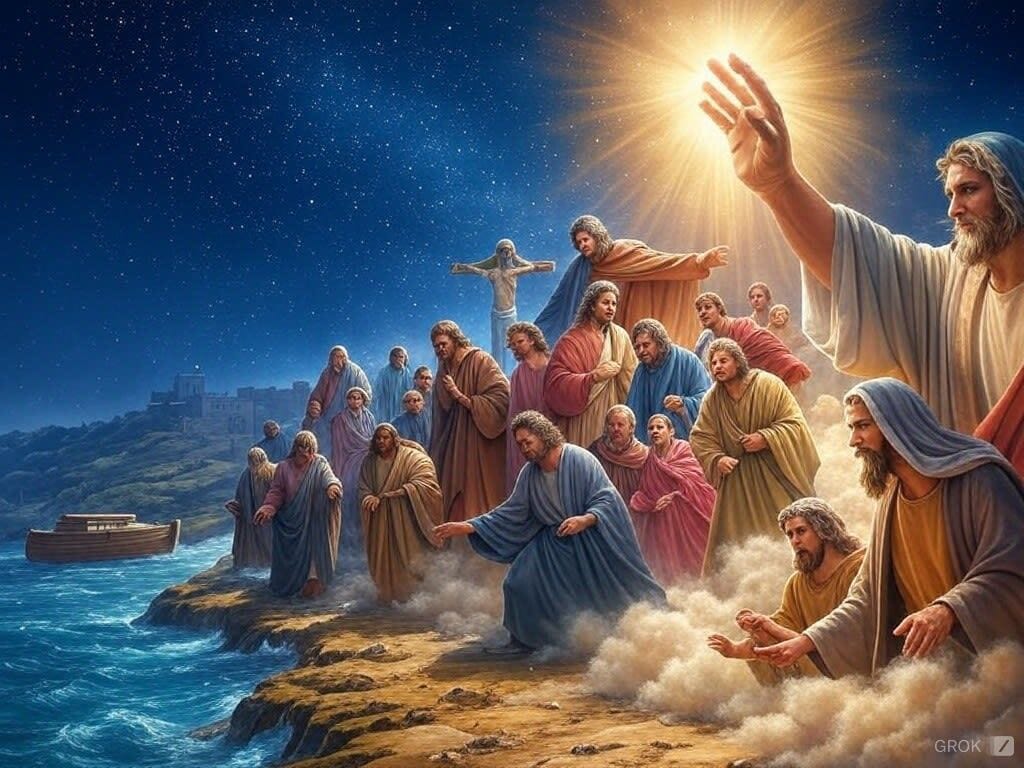
- The Inverse Reading: Critical scholars counter this by examining the context of the Noachic flood. In the days of Noah, those who were “taken” were taken away in judgment (drowned), while those who were “left” were left safe inside the ark on top of the earth. This exegetical tension illustrates how identical terms yield opposite results depending on the user’s systematic framework.
Technical Alignment: Integrating the Eschatological Spoke
The study of this gathering mechanism cannot exist as an isolated silo. Within a healthy content architecture, it must cross-stitch into the foundational pillars of the site to prevent a disconnected, sensationalized reader experience.
1. The Framework of Historic Agreements
Biblical predictions are never random occurrences; they operate within the boundaries of God’s structural relationships with humanity.
- The Covenantal Anchor: To map how these timelines unfold over centuries, a rigorous grounding in the covenants in the bible is required. Each covenant builds a platform for the next stage of redemptive history. The final gathering of the saints is the ultimate physical fulfillment of the New Covenant promise—the moment where the relational agreement moves from an internal spiritual reality to an external, physical finality.
2. The Anchor of Academic Method
Because apocalyptic literature relies heavily on symbolic imagery, numbers, and metaphors, unguided interpretation quickly devolves into erratic date-setting.
- The Protective Discipline: The defensive shield against this error is the systematic practice of formal biblical scholarship. By anchoring our reading in historic grammar, cultural intent, and literary genre, we protect the text from being weaponized by modern sensationalism. True scholarship demands that the final destination of history be read through the lens of ancient writers rather than modern news headlines.
Historical Development: The Birth of Modern Dispensationalism
Tracing the trajectory of Christian thought reveals that the contemporary, popular understanding of a two-stage return is a relatively modern development, contrasting sharply with ancient and medieval theology.
1. The Patristic Consensus
For the first eighteen centuries of church history, theological writing did not separate the gathering of the church from the final, visible return of Christ. Writers such as Irenaeus, Justin Martyr, and Augustine viewed the intermediate trial as the expected environment for the refinement of the saints. The concept of an invisible, secret extraction was completely absent from historical commentary.
2. John Nelson Darby and the Plymouth Brethren
Prior to the 1830s, the dominant view of the church was that the gathering occurred at the absolute end of the age. John Nelson Darby, an Anglo-Irish Bible scholar, introduced a radical new reading of the text.
- The Secret System: Darby isolated the passages in Thessalonians from the general second coming passages, proposing that Christ would return secretly to remove the church before the visible manifestation of His wrath. This conceptual division allowed for the creation of the complex multi-stage charts that dominated twentieth-century pop-theology.
3. The Scofield Reference Bible and American Adaptation
Darby’s structured dispensational views were popularized in North America through the Scofield Reference Bible published in the early twentieth century.
- The Editorial Impact: By placing dispensational study notes directly alongside the biblical text, generations of readers began to view the pre-tribulational model not as an interpretation, but as the explicit text itself. This historical context reveals that the common cultural answer to the question is a relatively recent development in the history of doctrine, highlighting the necessity of rigorous biblical scholarship to separate text from tradition.
The Somatic Reality: Rapture is the Metamorphosis of the Body
Because human beings are designed as integrated entities rather than disembodied spirits, the final gathering represents a profoundly physical event.

1. The Patristic Consensus
For the first eighteen centuries of church history, theological writing did not separate the gathering of the church from the final, visible return of Christ. Writers such as Irenaeus, Justin Martyr, and Augustine viewed the intermediate trial as the expected environment for the refinement of the saints. The concept of an invisible, secret extraction was completely absent from historical commentary.
2. John Nelson Darby and the Plymouth Brethren
In the 1830s, Anglo-Irish Bible scholar John Nelson Darby introduced a radical shift in interpretation. By separating the passages in Thessalonians from the general second coming narratives, he proposed that Christ would return secretly to remove the church before the visible manifestation of His wrath. This conceptual division allowed for the creation of the complex multi-stage charts that dominated twentieth-century pop-theology, turning an ancient hope into a modern publishing phenomenon.
For a in-depth look at a more catholic view read “The Taking Up of the Faithful and the Resurrection of the Dead in Thessalonians 4:13-18” by Joseph Plevnik.
The Theological Impact on Global Ethics
How one conceptualizes the timeline of the final gathering deeply alters their ethical behavior within the current socio-political environment. The choice of system is never purely intellectual; it dictates the deployment of human resources.
1. The Stewardship vs. Evacuation Dilemma
The structural divergence between pre-tribulational and post-tribulational thought creates two vastly different models of cultural engagement.
- The Evacuation Mandate: If an agent believes that the church is slated for immediate, supernatural removal before history undergoes complete collapse, their motivation to invest in long-term societal institutions (such as universities, environmental stewardship, or generational social reform) diminishes. The primary objective becomes purely transactional evangelism—saving as many individuals as possible from a sinking ship.
- The Stewardship Mandate: Conversely, if the system posits that the community of faith must endure the structural weight of the final tribulation, the emphasis shifts toward building resilient, long-term alternative structures. The church prepares to survive, resist, and provide an alternate economy of truth in the midst of global consolidation.
2. The Psychological Calibration of the Body
The physical nervous system responds differently depending on the expectations set by its overarching worldview.
- The Crisis of Disappointment: Pastoral data shows that when communities trained exclusively in pre-tribulational extraction face severe localized crises (such as geopolitical destabilization or state persecution), a profound theological shock occurs. Believers interpret the presence of suffering as a failure of divine protection.
- The Resilience Paradigm: A post-tribulational or historic covenantal model conditions the mind to view tribulation not as a punctuation of history, but as the expected environment for refinement. The body’s stress responses are regulated because the system has already accounted for suffering as a structural necessity before final glory.
Technical Summary: The Ultimate Alignment
In conclusion, an authoritative response to the query must define the event as the structural, pneumatic gathering of the international body of faith to meet its returning King. Whether framed as a secret pre-tribulational rescue or a triumphant post-tribulational escort, the doctrine stands as a testament to the sovereign authority of God over space, time, and human biology. It is the final “Broad Place” where history is pulled out of its evolutionary friction and slammed into its intended eschatological design.
Where did the idea of a “Secret Rapture” originate?
The systematic division of Christ’s return into a secret removal of the church followed years later by a public manifestation was primarily developed by John Nelson Darby in the 1830s. It was later widespread through the notes of the Scofield Reference Bible, forming the backbone of modern dispensationalism.
Does the word “Rapture” appear anywhere in the actual Bible text?
Not in modern English translations. However, it is the direct derivative of the Latin rapiemur, which Jerome used in the Vulgate translation of 1 Thessalonians 4:17 to translate the Greek verb harpazō (“caught up”). Therefore, the term is a valid translation of an explicit scriptural action.
What is the difference between the Rapture and the Second Coming?
In dispensational theology, they are two separate events separated by seven years: the first is a secret gathering of the church, the second is the visible return of Christ to set up an earthly kingdom. In historic premillennialism and amillennialism, they are a single, unified event occurring at the absolute end of the age.
How does this event affect the current life of a believer?
According to the apostolic writers, the doctrine is designed to provide comfort in the face of death and motivation for holy living. It is not intended to be a tool for speculative date-setting, but a historic guarantee that physical death and material decay do not have the final word in human history.