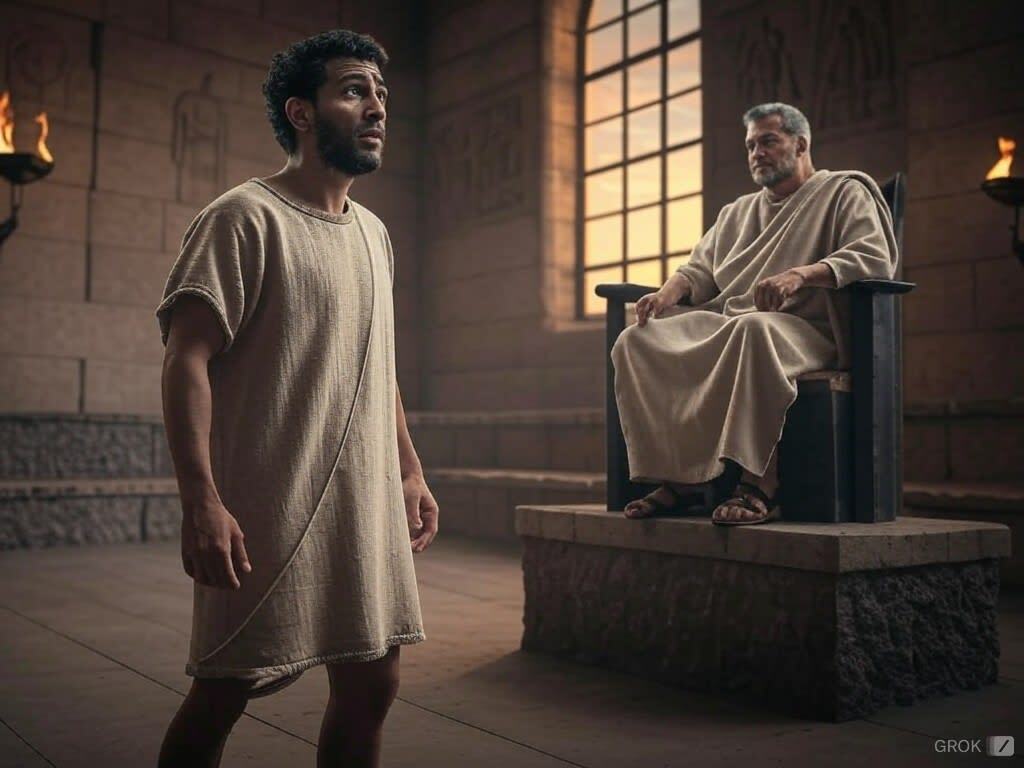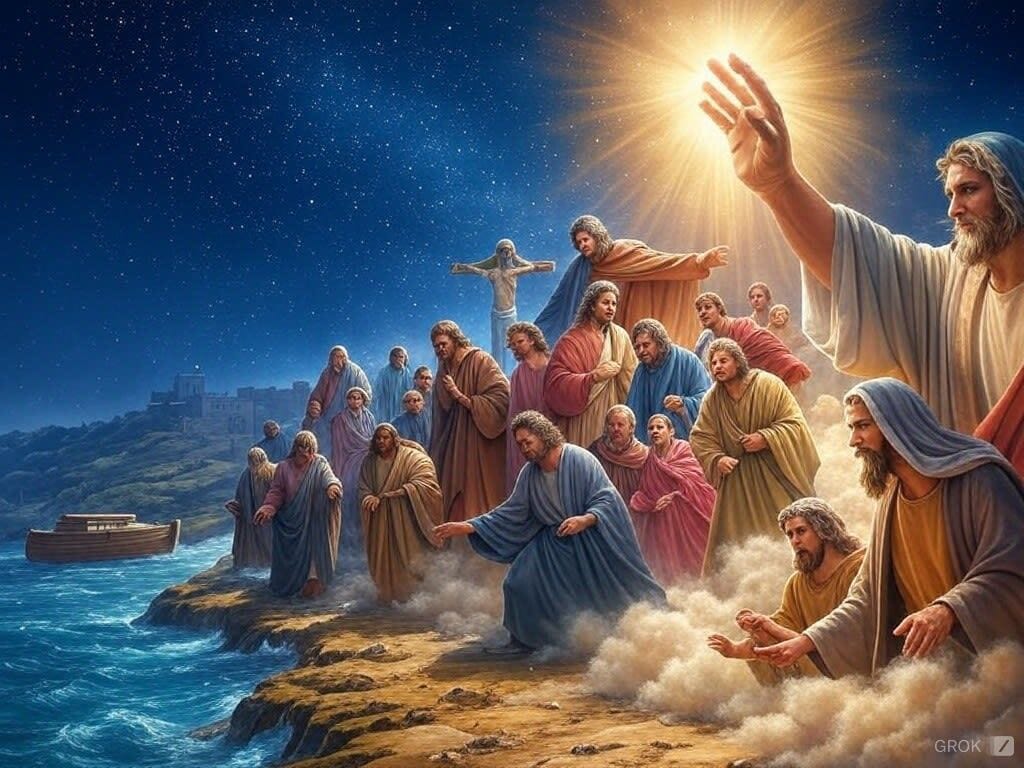
Miracles in the Bible stand as extraordinary, visible manifestations of divine intervention that interrupt the natural course of the material world. Far from acting as arbitrary or theatrical displays of raw omnipotence, these supernatural events are deeply relational. In biblical scholarship, a miracle is defined as a purposeful act of God designed to reveal His holy character, execute perfect justice, validate His appointed messengers, and demonstrate His unshakeable covenantal fidelity.
To evaluate these wonders accurately, one must look past modern skepticism and explore the original vocabulary used by the biblical authors. In the New Testament, miracles are consistently described using three distinct Greek terms that clarify their theological function:
- Dynamis (δύναμις): Meaning inherent “power” or “might,” emphasizing God as the sovereign source of the action.
- Terata (τέρατα): Meaning “wonders” or “marvels,” describing the psychological impact of the event on human observers, provoking awe and reverent fear.
- Sēmeion (σημεῖον): Meaning “signs,” indicating that the miracle serves as a visual pointer to a deeper, spiritual reality. A miracle is a non-verbal sermon declaring the arrival of God’s kingdom and His dynamic provision for humanity.
By examining the major miracle cycles across both Testaments, we can chart how a loving, relational Creator actively interacts with human history while consistently honoring the volitional agency of free moral agents.
Creation and Early Miracles in the Bible
Cosmic Beginnings and Early Covenantal Wonders
The opening movements of scripture establish that the material universe itself is an ongoing product of supernatural design, setting the historical stage for all subsequent divine actions.
Creatio Ex Nihilo (Order from Chaos) —> Historical Preservations —> Covenantal Boundary Signs
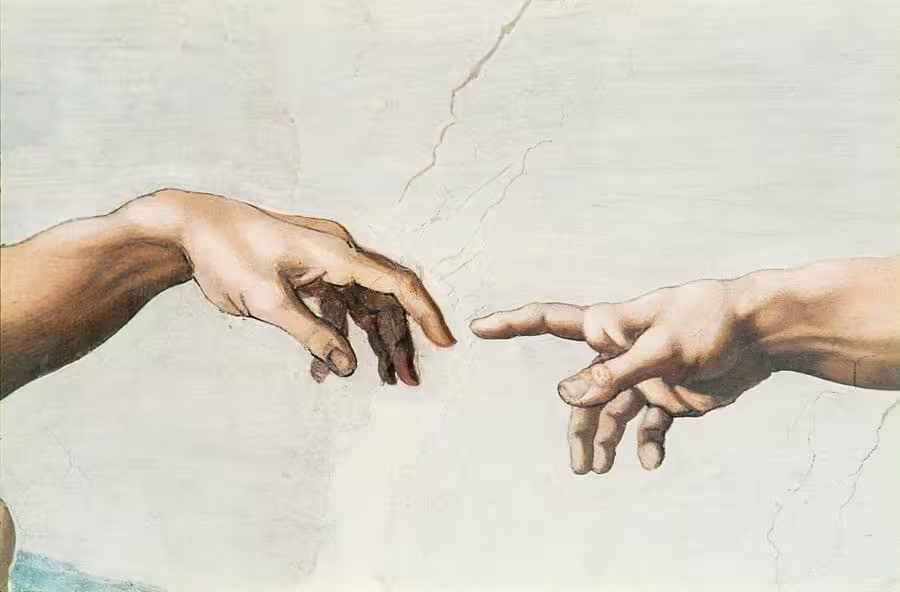
- Creatio Ex Nihilo (Genesis 1:1–27): The foundational miracle of the Bible is the calling of space, time, and matter into objective existence out of absolute nothingness through sovereign verbal decree (fiat creation). God systematically transforms chaos into structural order, culminating in the fashioning of humanity in the Imago Dei—endowed with libertarian free will to choose relationship with their Maker.
- The Translation of Enoch (Genesis 5:21–24): In an era marked by escalating spiritual corruption, Enoch’s sudden transition directly into the heavenly realm without experiencing physical death stands as a profound sign. It demonstrates that a life lived in voluntary, close communion with God holds victory over the somatic consequence of death.
- The Global Cataclysm and Preservation (Genesis 6–9): The Great Flood serves as a major miracle of dual execution: it delivers definitive judicial judgment upon an unrepentant, violent civilization while simultaneously providing physical rescue for Noah’s family via the ark. The miracle concludes with the initiation of the Noahic Covenant, symbolized by the structural deployment of the rainbow.
- The Confusion of Vernaculars at Babel (Genesis 11:1–9): When humanity abuses its unified agency to construct an idolatrous monument of self-deification, God intervenes by fracturing human communication. This miracle of judgment disperses prideful human networks into distinct nations, preserving the boundary lines of human responsibility and preventing total systemic collapse.
The Exodus Cycle: Miracles of National Deliverance
The narrative of the Exodus from Egypt is the ultimate Old Testament archetype of redemption, featuring a highly concentrated cycle of signs designed to confront pagan idolatry and liberate an enslaved people.
The Ten Plagues as a Theological Polemic
The judgments executed upon Egypt (Exodus 7–12) were not random ecological disasters. They were highly targeted, supernatural strikes against the pantheon of Egyptian deities, exposing the absolute impotence of false gods when contrasted with the sovereign power of Yahweh:
| Plague Event | Scriptural Text | Targeted Egyptian Divinity | Theological Reality Revealed |
| Nile Turned to Blood | Exodus 7:14–25 | Hapi (God of the Nile Nile) | Exposes the source of Egypt’s life as dependent on the Creator. |
| Frogs, Lice, and Flies | Exodus 8:1–32 | Heqet (Frog-headed goddess of fertility) | Turns the pagan symbols of fertility into an overwhelming curse. |
| Livestock and Boils | Exodus 9:1–12 | Hathor (Cow deity) & Sekhmet | Demonstrates absolute authority over animal life and human health. |
| Hail and Locusts | Exodus 9:13–10:20 | Nut (Sky goddess) & Min | Destroys the economic and agricultural security of the oppressive empire. |
| Three Days of Darkness | Exodus 10:21–29 | Ra (The preeminent Sun god) | Blots out the chief imperial deity, wrapping the oppressors in paralysis. |
| Death of the Firstborn | Exodus 12:29–30 | Pharaoh (Revered as a living god) | Shatters the dynastic line of the empire; initiates the Passover. |
The Red Sea Crossing (Exodus 14:21–31)
The structural climax of the Exodus cycle occurs when Moses stretches his staff over the Red Sea. God deploys a strong east wind to divide the waters, creating an immediate dry pathway for the millions of Israelite refugees. When the pursuing imperial army attempts to cross, the waters collapse, completely destroying the military machinery of the oppressor. This epic sign delivered absolute physical freedom to Israel, cementing their trust in God’s saving power.
Wilderness Wanderings: Miracles of Daily Provision
Once insulated in the barren desert, the miracle cycle shifts away from dramatic geopolitical judgments and turns toward quiet, systematic, daily provision, training the hearts of free moral agents to live in continuous dependence.
- The Sweetening of Marah (Exodus 15:22–25): Faced with toxic, unpotable water, Moses casts a specific tree into the springs at God’s command. The water instantly undergoes a chemical transformation into sweet, life-giving refreshment, establishing God’s identity as the ultimate Healer of His people.
- The Miracle of Manna and Quail (Exodus 16:1–36): For forty years, a supernatural, nutrient-dense substance falls from heaven alongside the morning dew, supplying food for millions. The mechanics of the manna directly reinforced the Sabbath Mandate: it melted if left overnight on weekdays, yet remained perfectly preserved when a double portion was gathered on the sixth day, teaching the community to rest.
- Water from the Rock (Exodus 17:1–7; Numbers 20:2–13): In moments of severe drought, God commands Moses to extract water from solid limestone. In the first instance, Moses obeys by striking the rock; in the second, his fractured patience leads him to strike the rock out of anger rather than speaking to it as commanded. While God still graciously provides the water, Moses’s volitional choice to disobey results in his exclusion from the Promised Land, demonstrating that spiritual leadership demands absolute accountability.
Miracles of Judgment and Leadership
Wilderness judgment miracles in the Bible enforce community standards, while leadership affirmations resolve conflicts. These events uphold holiness and demonstrate that God’s power corrects as it creates. For example, they balance discipline with mercy. Thus, they promote respect and unity.
- Nadab and Abihu are consumed by fire in Leviticus 10:1-7. They offer unauthorized incense, breaking tabernacle protocols. This immediate response emphasizes reverence in worship and the seriousness of approaching God. In addition, it applies to contemporary spiritual practices by stressing purity. For instance, it warns against casual attitudes in sacred matters.
- Fire burns complainers at Taberah in Numbers 11:1-3. The people deserved punishment for their constant gripes and murmuring. But God showed grace by answering Moses’ prayer and halting the destruction. This miracle curbs discontent and highlights the value of gratitude. Moreover, it serves as a safeguard against provoking divine displeasure.
- The earth swallows Korah’s rebels and fire devours supporters in Numbers 16:1-35. Also, a plague stopped after Aaron’s atonement. This affirms Moses’ authority and teaches the peril of challenging God’s ordained leadership. Furthermore, it shows mercy remains accessible even in judgment. For example, it calls for humility within communities.
- God confirms Aaron’s priesthood by making his rod grow and produce almonds in Numbers 17:1-11. Stored as a sign, it quells ongoing disputes and underscores God’s clear choices. In addition, it illustrates divine endorsement in roles. Therefore, it inspires confidence in appointed leaders.
- Fiery serpents bite the ungrateful in Numbers 21:4-9, but a bronze snake on a pole heals those who look in faith. This miracle foreshadows redemption and demonstrates that obedience counters sin’s consequences. Moreover, it encourages turning to God for healing.
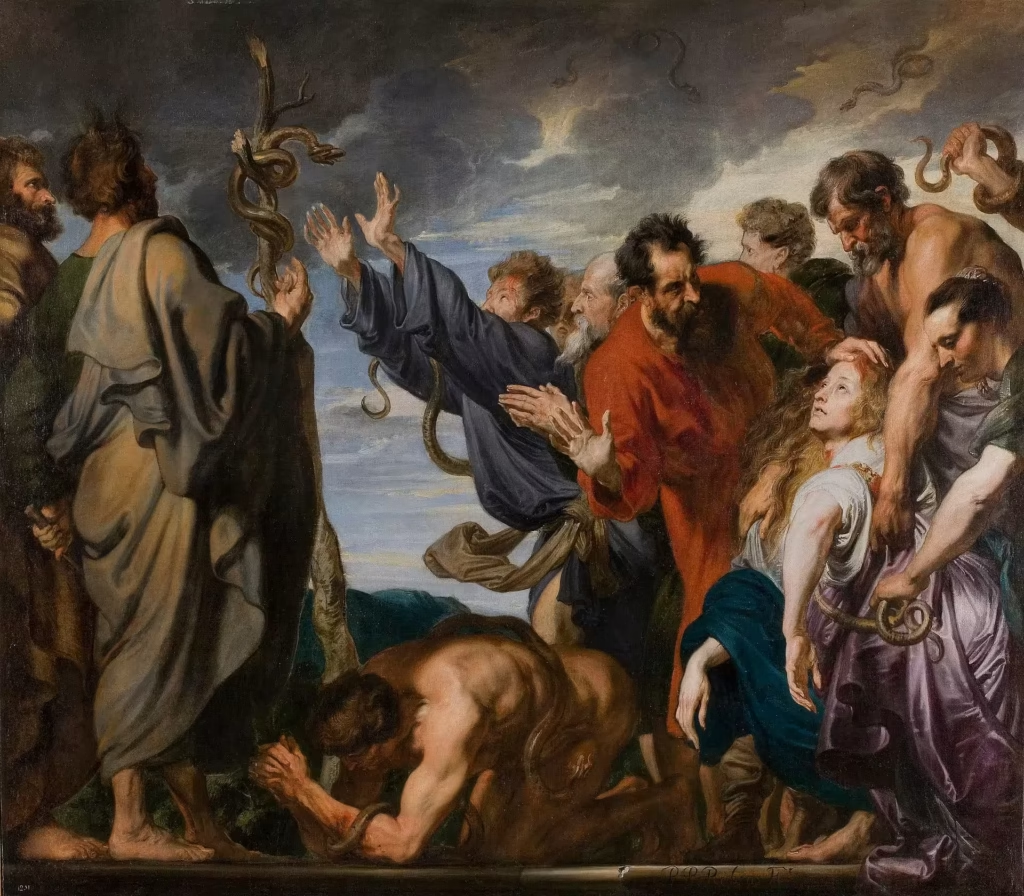
These miracles in the Bible demonstrate the balance between justice and grace. They guide us to obey with humble hearts.
The Prophet Cycles: Miracles of Elijah and Elisha
During the structural decline of the Israelite monarchy, God raised up prophetic voices to confront systemic apostasy and Baal worship through a concentrated wave of signs and wonders.
- The Mt. Carmel Fire Contest (1 Kings 18:20–40): To break the spiritual paralysis of a nation halting between two opinions, Elijah constructs an altar, drenches it completely with water, and calls upon Yahweh. The sudden, unmediated descent of divine fire consumes the sacrifice, the stones, the soil, and the water, exposing Baal as a fictional deity and reviving national faith.
- The Double-Portion Ministry of Elisha: Elisha’s miracles shift into the sphere of intimate, practical, and compassionate restorations for individual families:
- Multiplying the Widow’s Oil (2 Kings 4:1–7): Transforming a single jar of oil into a continuous flow to rescue a vulnerable family from debt and slavery.
- The Resurrection of the Shunammite’s Son (2 Kings 4:18–37): Demonstrating that prophetic authority carries the keys over physical death within the home.
- The Floating Axe Head (2 Kings 6:1–7): Causing a heavy iron implement to float to the surface of the Jordan River, relieving a poor laborer from financial ruin.
Jesus Christ: Master over Nature and Chaos
The arrival of Jesus of Nazareth marks the absolute historical zenith of the biblical miracle witness. His wonders are fundamentally distinct; He does not pray for a miracle as a passive human channel, but commands creation directly out of His own inherent divine authority.
Turning Water to Wine ---> Stilling the Storm ---> Walking on the Waves ---> Withering the Fig Tree
- The Cana Transformation (John 2:1–11): Jesus initiates His public ministry by instantly altering the molecular structure of water into choice wine at a wedding feast. John labels this as the first of His sēmeion (signs), demonstrating that the New Covenant brings radical transformation, abundance, and the restoration of joy to human life.
- Stilling the Sea of Galilee (Mark 4:35–41): Confronted by a violent tempest that terrified seasoned fishermen, Jesus stands in the boat and issues a direct verbal rebuke to the wind and waves: “Peace, be still!” The immediate transition from a raging storm to absolute glassy calm prompts the disciples to ask the ultimate identity question: “Who then is this, that even the wind and the sea obey him?”
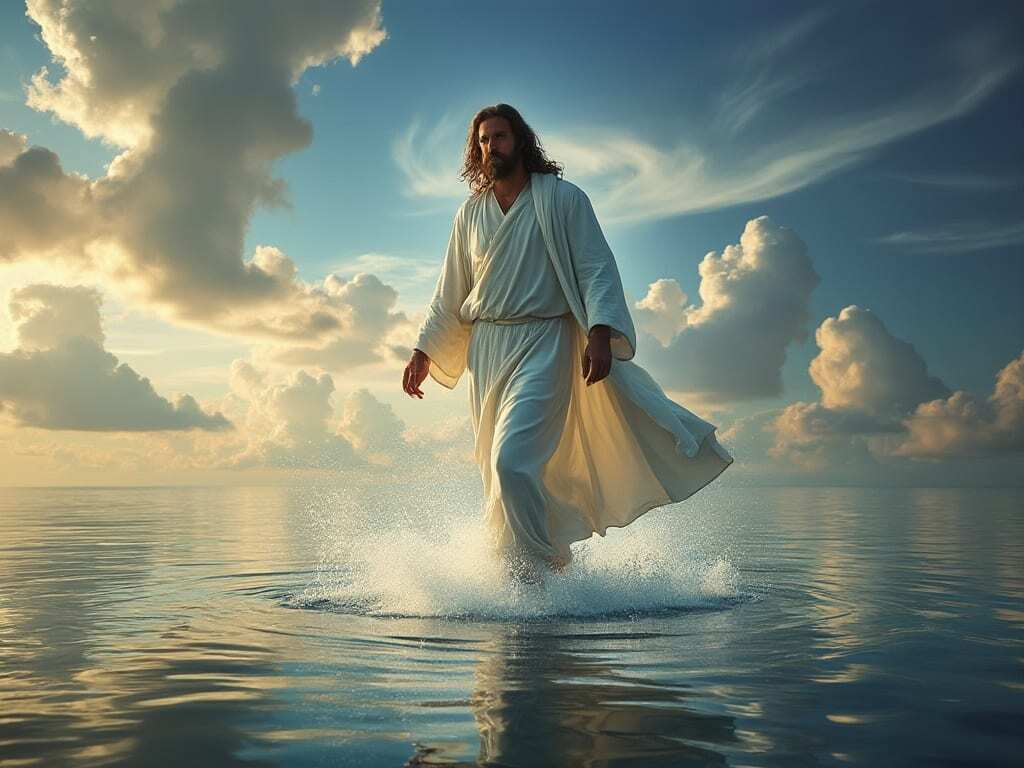
- The Walking on Water and Rescue of Peter (Matthew 14:22–33): Jesus walks across the undulating surface of the sea during a night storm. When Peter volitionally steps out of the boat in faith, he participates in the miracle, but when his gaze shifts to the wind, he begins to sink. Jesus’s immediate rescue illustrates that faith requires active, ongoing focus on the Savior amid life’s chaotic environments.
The Healing Ministry of Jesus: Restoring the Somatic Soul
Jesus’s healing miracles are the direct physical evidence of His compassionate nature, treating the human being as an integrated somatic soul where physical well-being and spiritual restoration are unified.
- Cleansing the Untouchable Leper (Mark 1:40–45): Rather than avoiding ritual contamination, Jesus stretches out His hand and willingly touches a man covered in leprosy, commanding: “Be clean.” The disease vanishes instantly, breaking the social and religious stigma of isolation.
- The Centurion’s Servant (Matthew 8:5–13): A Roman military officer requests healing for his paralyzed servant, stating that Jesus does not even need to travel to his home; He simply needs to speak the word from afar. Jesus commends this exceptional faith, and the servant is healed instantly across the distance, proving that physical location places zero limitation on divine authority.
- The Paralytic at Capernaum (Mark 2:1–12): Lowered through a roof by four dedicated friends, a paralyzed man is presented to Jesus. Jesus deliberately links the vertical and horizontal planes of redemption by first declaring, “Your sins are forgiven,” and then commanding, “Rise, pick up your bed, and walk.” The immediate physical restoration validates His absolute divine authority to forgive moral guilt.
Ultimate Conquest: Exorcisms and Resurrections
The ultimate objective of Christ’s miracle ministry is the definitive eradication of demonic oppression and the systemic defeat of death itself, providing previews of future cosmic restoration.
- Liberating the Gadarene Demoniacs (Matthew 8:28–34): Confronted by two violent, demonized individuals living in an exilic graveyard, Jesus commands the unclean spirits to depart. The entities are cast into a herd of pigs, and the men are restored to a state of absolute psychological peace, emotional soundness, and social restoration.
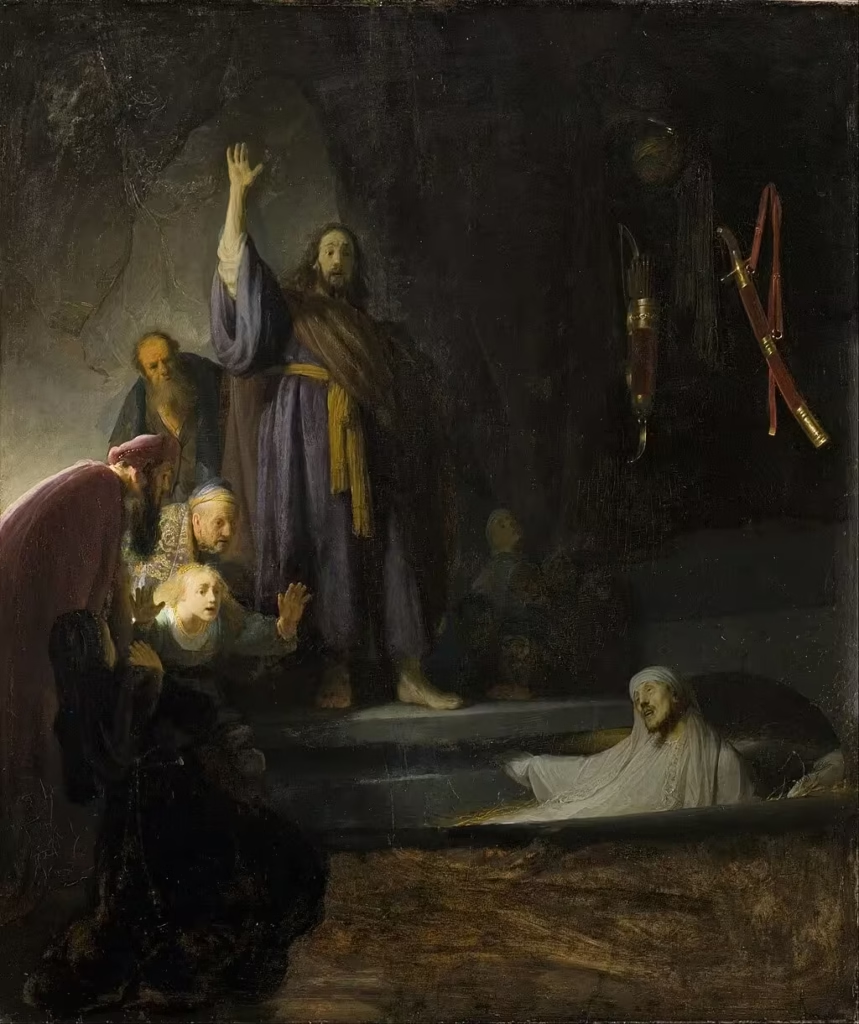
- The Raising of Lazarus (John 11:1–44): Standing before a tomb containing a corpse that had undergone physical decomposition for four days, Jesus issues a localized, authoritative command: “Lazarus, come out!” The dead man emerges wrapped in burial linens. This crowning sign demonstrates complete sovereignty over death, serving as the ultimate historical prelude to Jesus’s own upcoming resurrection.
The Continuing Signs of the Apostolic Church
Following the ascension of Christ, the miracle witness did not instantly cease. The Holy Spirit empowered the early church with signs and wonders to validate the expansion of the Kerygma across the Greco-Roman world.
- The Lame Man at the Beautiful Gate (Acts 3:1–10): Operating under the blueprint of apostolic authority, Peter encounters a lifelong lame beggar at the temple entrance. Declaring, “Silver and gold I do not have, but what I do have I give to you: In the name of Jesus Christ of Nazareth, rise up and walk,” Peter lifts the man, causing an immediate structural healing that ignites a massive wave of public conversions.
- The Deliverance from the Philippian Dungeon (Acts 16:25–34): While bound in stocks in an inner prison cell, Paul and Silas choose to volitionally exercise their agency by singing hymns of praise to God at midnight. A sudden, violent earthquake shakes the prison foundations, opening all security doors and unfastening the chains of every inmate, leading to the conversion of the jailer and his entire household.
For more on the continuation of miracles in the early church consider “Performing Miracles: Discipleship and the Miracle Tradition of Jesus,” by Brandon Walker.
Contemporary Perspectives: Do Miracles Still Happen Today?
A major point of inquiry for modern bible scholars and believers involves whether the miracle cycles recorded in ancient scripture continue into contemporary global contexts. Cessationist models argue that miracles served exclusively to authenticate the original writing of the biblical Canon and ceased with the death of the apostles.
In contrast, non-deterministic, Continuationist frameworks recognize that because God’s character is immutable and His relational grace remains active, His supernatural intervention continues wherever His people pray in faith.
To explore the historical and scientific evidence for contemporary signs and wonders, watch this scholarly interview with Dr. Candy Gunther Brown: