Prophecy in the Bible stands as one of the most compelling features of the scriptural Canon, offering profound disclosure of the divine will across human history. Far from functioning as fatalistic determinism or an unchangeable script that overrides human free will, biblical prophecy is inherently relational and covenantal. In rigorous Bible scholarship, prophecy is categorized into two dynamic actions: forthtelling (the authoritative proclamation of God’s moral standards, calling moral agents to repentance) and foretelling (the supernatural disclosure of future events designed to demonstrate God’s absolute sovereignty and covenantal fidelity).
To navigate this material accurately, a student must grasp the foundational Law of Prophetic Telescoping (sometimes called dual fulfillment). Biblical prophets routinely witnessed future events through a single field of vision—blending immediate, historical events (the local mountain peaks of history) with distant, ultimate messianic and eschatological fulfillments (the distant alpine peaks) without explicitly mapping the centuries of church history lying in the valley between them.
By evaluating the structural timeline of the prophets, the mechanics of messianic fulfillments, and the architecture of apocalyptic visions, we can understand how a sovereign Creator orchestrates His master plan while completely preserving human moral responsibility.
The Taxonomic Timeline of Biblical Prophets
The operational mandate of the prophet shifted systematically across Israel’s historical development. Rather than appearing as isolated, mystical figures, the prophets functioned as formal legal attorneys prosecuting God’s covenant lawsuits against a rebellious nation.
Pre-Monarchy Foundations ---> Monarchy & The Rise of Writing Prophets ---> Exilic Visions ---> Post-Exilic Restoration
| Historical Era | Primary Chronological Era | Exemplary Prophetic Voices | Primary Missiological Focus |
| Pre-Monarchy | c. 1400–1050 B.C.E. | Moses, Miriam, Samuel | Establishing the structural law; anointing national leaders. |
| Pre-Exilic Monarchy | c. 800–600 B.C.E. | Isaiah, Jeremiah, Amos, Hosea | Proclaiming covenant lawsuits; exposing social injustice; warning of imminent exile. |
| Exilic Displacement | c. 600–538 B.C.E. | Ezekiel, Daniel | Sustaining faith in foreign lands; unveiling cosmic apocalyptic blueprints. |
| Post-Exilic Restoration | c. 538–400 B.C.E. | Haggai, Zechariah, Malachi | Motivating temple reconstruction; reforming structural and moral corruption. |
1. Pre-Monarchy Foundations: The Legal Bedrock
The prophetic office begins with Moses, who establishes the definitive benchmark for the office in Deuteronomy 18:15–18, predicting a future, singular Prophet who would perfectly deliver divine words. Early figures like Samuel functioned as transitional judges, asserting divine authority over Israel’s newly formed monarchy, reminding kings that their political power was strictly subordinate to the covenantal commands of Yahweh.
2. Pre-Exilic Monarchy: The Writing Prophets
As Israel and Judah slid into structural idolatry and systemic oppression, God raised up the writing prophets.
- The Major Prophets: Isaiah and Jeremiah delivered sweeping geopolitical warnings as Assyria and Babylon emerged as international superpowers. Isaiah’s courtly oracles contrasted national judgment with ultimate cosmic renewal, while Jeremiah exposed the internal moral rot of Jerusalem, weeping over their stubborn misuse of free will while predicting a future New Covenant.
- The Minor Prophets (The Book of the Twelve): Figures like Amos and Hosea delivered highly focused moral critiques. Amos thundered against the economic exploitation of the vulnerable, defining true worship as a river of righteousness (Amos 5:24). Hosea utilized his own agonizing personal marriage to Gomer as a living, somatic metaphor, illustrating that despite Israel’s spiritual adultery, God’s relational love remained uncompromised and actively pursued their voluntary restoration.
3. Exilic and Post-Exilic Eras: Visions of Hope and Renewal
Following the catastrophic destruction of Jerusalem in 586 B.C.E., exilic prophets like Ezekiel and Daniel sustained the identity of the captive nation. Ezekiel used vivid, dramatic symbols to show that God’s presence was not locked inside a ruined temple building, but was dynamic and mobile, capable of re-animating a nation that looked like a valley of dry bones (Ezekiel 37). Post-exilic prophets like Haggai, Zechariah, and Malachi managed the complex realities of the return to Canaan—Haggai drove physical temple reconstruction, Zechariah unveiled messianic peace visions, and Malachi targeted spiritual complacency, closing the Old Testament canon with an intense expectation of a future herald.
Messianic Architecture: The Structural Profile of Jesus Christ
The most mathematically and historically staggering facet of biblical prophecy is the detailed structural blueprint of the coming Messiah, sketched centuries in advance and perfectly fulfilled in the historical person of Jesus of Nazareth.
The Book of Isaiah: The Dual Identity of the King
The scroll of Isaiah provides the foundational matrix for messianic expectation, weaving a complex profile that modern critics claimed could not be written by a single mind:
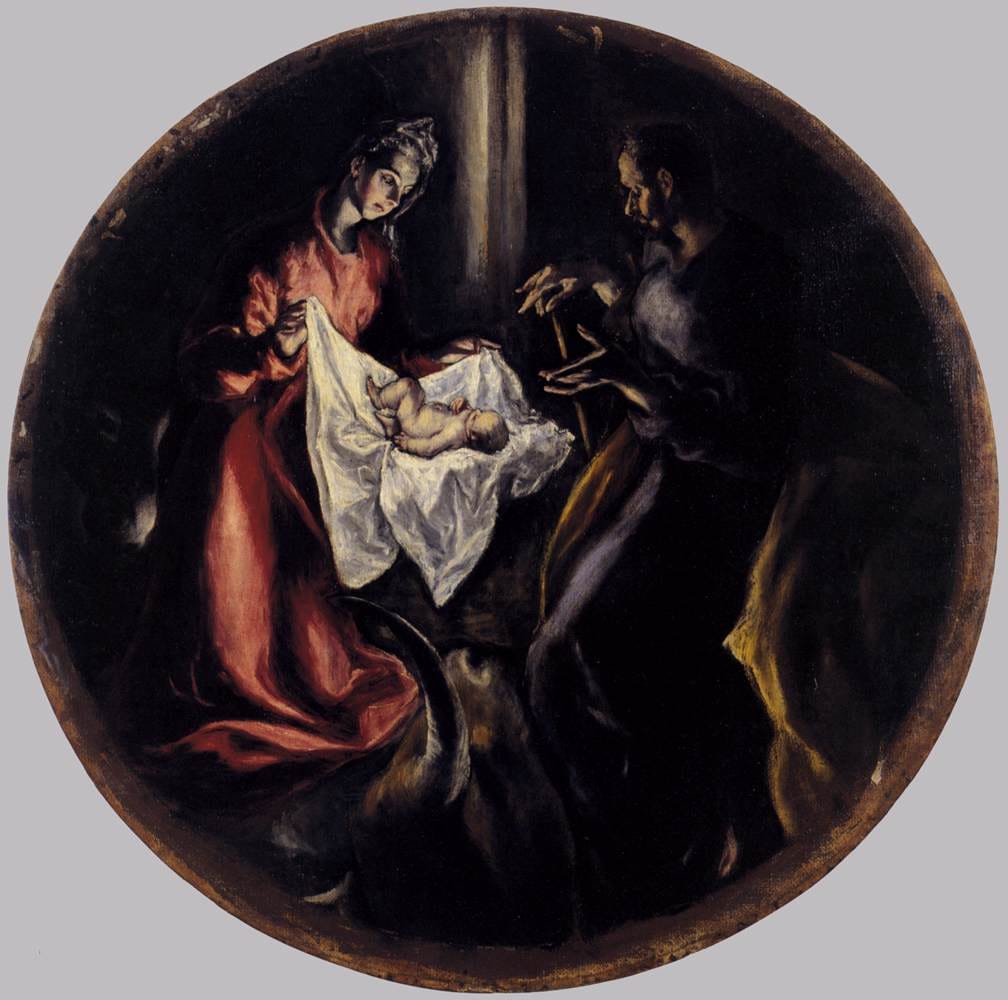
- The Immanuel Sign (Isaiah 7:14): Delivered during a localized political crisis under King Ahaz, this oracle features the law of prophetic telescoping. While its immediate near-fulfillment signed a local birth, its ultimate, distant fulfillment is realized in the unique virgin birth of Jesus Christ, establishing the reality of Immanuel—God volitionally entering the space and time of human history to dwell with us (Matthew 1:23).
- The Royal Identity (Isaiah 9:6–7): This classic text anchors the divine attributes of the promised Davidic heir. He is not a mere political revolutionary, but is designated as the Wonderful Counselor, Mighty God, Everlasting Father, Prince of Peace, whose government establishes unshakeable justice and righteousness.
- The Suffering Servant (Isaiah 53): In a stunning displays of textual precision, this passage depicts a Messiah who conquers through apparent defeat. He is described as a substitutionary sacrifice who is pierced for human transgressions, crushed for our iniquities, and led like a silent lamb to the slaughter. This chapter provides the structural framework for the New Testament understanding of Christ’s crucifixion, proving that His suffering was the definitive divine method to satisfy holy justice and extend universal justification to free moral agents.
Converging Testimonies: Micah, Zechariah, and the Psalmist
Other distinct prophetic voices across the centuries added precise geographical and narrative coordinates to this messianic profile:
Birthplace: Bethlehem (Micah 5:2) ---> Entry: Lowly on a Donkey (Zechariah 9:9) ---> Execution: Pierced Hands & Lots Cast (Psalm 22)
- The Geographical Anchor (Micah 5:2): Writing in the 8th century B.C.E., Micah explicitly names the tiny, insignificant clan of Bethlehem Ephrathah as the specific geographical origin of the coming Ruler of Israel, whose goings forth are from of old, from everlasting. This humble beginning highlights God’s preference for working through the small things of the earth to achieve monumental redemptive outcomes.
- The Lowly Entry (Zechariah 9:9): Zechariah portrays the triumphal arrival of the King not riding an imperial war horse of military subjugation, but coming in profound humility, mounted on a colt, the foal of a donkey. Jesus executed this narrative coordinate on Palm Sunday (Matthew 21:1–11), signaling that His kingdom operates through peaceful invitation rather than coercive force.
- The Crucifixion Matrix (Psalm 22:16–18): Centuries before the Roman Empire invented the horrific execution method of crucifixion, King David penned a prophetic lament that perfectly maps its physical details. He describes a victim whose hands and feet are pierced, whose bones are out of joint, and whose garments are actively divided by executioners casting lots—details matching the historical records of the Gospels.
The Apocalyptic Timelines: Daniel and Ezekiel
When biblical prophecy utilizes the apocalyptic genre, it shifts away from standard poetic warnings and deploys highly stylized, symbolic, and numerical timelines designed to lay out the macro-history of human empires and final battles.
Daniel’s Seventy Weeks: The Prophetic Calendar
The focal point of biblical chronological prophecy is found in Daniel 9:24–27, where the angel Gabriel outlines a strict timeline of “seventy weeks” (seven-year blocks, totalizing 490 years) decreed for Israel and the holy city.
Decree to Rebuild ---> 69 Weeks (483 Years) ---> Messiah Cut Off ---> [The Church Age / Prophetic Gap] ---> 70th Week (Tribulation)
Using the Year-Day Principle common in Semitic calculations, the timeline is structurally divided:
- The 69 Weeks (483 Years): Initiated by the historical decree to restore and rebuild Jerusalem (issued by Artaxerxes in 445 B.C.E.), the timeline runs with absolute mathematical precision up to the official presentation of the Messiah. After this 483-year block, the text notes that the Messiah would be “cut off, but not for himself,” a direct chronological prediction of the crucifixion.
- The Prophetic Gap and the 70th Week: Following the rejection of the Messiah, the prophetic clock experiences a structural pause—allowing for the global insertion of the Church Age. The final, 70th week represents the seven-year Tribulation period, initiated by a deceptive covenant made by a future prince (the Antichrist), which is broken midway through, leading to the final confrontation and the permanent establishment of eternal righteousness.
Ezekiel 38: The Northern Alliance Invasion
Ezekiel 38–39 introduces a major eschatological vision concerning a northern military alliance led by an enigmatic figure designated as Gog of the land of Magog.
- The Geopolitical Alignment: The text describes a sudden coalition of nations—including Magog, Meshech, Tubal, Persia, Cush, and Put—instigating a massive invasion against a regathered, peaceful, and seemingly defenseless nation of Israel.
- The Supernatural Resolution: Unlike standard historical military campaigns, the text emphasizes that Israel does not deploy conventional human warfare to survive. God executes a supernatural defense through cataclysmic earthquakes, torrential rain, pestilence, and internal confusion among the invading forces. This dramatic intervention functions as a visible, non-verbal sermon to the secular global community, magnifying God’s holy sovereignty and initiating a profound spiritual awakening within Israel.
Eschatological Horizons: Signs, Rapture, and the Book of Revelation
The culmination of biblical prophecy shifts toward the final generation of human history, outlining clear indicators designed to alert believers to the approaching climax of the age.

The Birth Pains Paradigm
In the Olivet Discourse (Matthew 24), Jesus outlines the primary structural indicators of the end times, explicitly categorizing them under the medical metaphor of birth pains (ōdin). This terminology indicates that as history approaches its destination, these signs will systematically increase in both frequency and intensity:
- Geopolitical Volatility: Wars and rumors of wars, with nation rising against nation as global alignments fracture.
- Ecological and Seismic Distress: Localized famines, pestilences, and intense earthquakes signaling creation’s groan.
- Spiritual Deception: The rise of false prophets and deceptive religious movements performing misleading signs.
- Global Missiological Completion: Amid severe international persecution of the saints, the Gospel of the Kingdom is forcefully proclaimed throughout the entire world as a testimony to all nations before the final end arrives (Matthew 24:14).
   [ Increased Frequency ] + [ Increased Intensity ] = The Birth Pains of History
    ├── Wars / Rumors of Wars
    ├── Seismic / Ecological Distress
    ├── Global Deception Vectors
    └── Universal Proclamation of the Kerygma
The Eschatological Rapture: The Harpazō
Rapture prophecies describe an event where Jesus Christ descends from heaven with a shout, triggering the immediate resurrection of the dead in Christ and the instantaneous transformation of living believers to meet the Lord in the air (1 Thessalonians 4:16–17; 1 Corinthians 15:51–52).
The underlying Greek verb is harpazō, meaning to “snatch away” or “rescue by force.” Within biblical scholarship, the timing of this event is a major point of dialogue:
- The Pretribulation Framework: Asserts that the harpazō occurs prior to the initiation of the 70th week of Daniel, ensuring the Church is rescued from the period of global divine wrath based on promises like 1 Thessalonians 5:9.
- The Post-tribulation Framework: Asserts that the rapture occurs in immediate conjunction with the Second Coming at the very end of the Tribulation, tracking the Church through a period of structural testing and endurance before ultimate victory.
The Structural Blueprint of the Book of Revelation
The final book of the biblical Canon serves as the majestic unveiling (Apokalypsis) of Jesus Christ over evil, chaos, and cosmic rebellion. The book is organized into an intricate, unfolding architectural layout:
- The Ecclesial Letters (Revelation 2–3): Seven localized prophetic letters addressing real first-century churches in Asia Minor. These letters function as sharp moral inventories, challenging them to overcome compromise, false doctrine, and spiritual sloth while respecting their free will.
- The Tripartite Judgments (Revelation 6–16): A highly organized sequence of cosmic judgments descending upon an unrepentant global system, structured via Seven Seals, Seven Trumpets, and Seven Bowls. These events fulfill the final week of Daniel’s timeline, methodically intensifying to break human pride and dismantle the economic, political, and spiritual control of the Beast system (Revelation 13).
- The Millennial Reign and New Creation (Revelation 20–22): The narrative reaches its absolute climax with the physical return of Christ to defeat the gathered nations at Armageddon. This initiates a literal 1,000-year reign (The Millennium) where Satan is bound, restoring pristine justice and covenantal promises to the Earth. History concludes with the descent of the New Jerusalem—a complete, somatic restoration of heaven and earth where God dwells eternally with a humanity that has volitionally chosen His love.
Technical Analysis of Prophetic Transmission
To maximize your understanding of the historical transmission and critical defenses surrounding biblical prophecy, explore this structured analysis of the lecture material:
Advanced Hermeneutics and Textual Integrity
- The Predictive Architecture: Biblical prophecy operates on verifiable, historically documented timelines. Scholars study text blocks like Daniel and Isaiah to demonstrate that their precise historical fulfillments could only occur via divine illumination, directly refuting the critical theory of Vaticinium Ex Eventu (prophecy written after the fact).
- The Year-Day Calculation Mechanics: Dr. Missler details the mathematical precision of the Semitic calendar, utilizing a strict 360-day prophetic year to calculate the exact timeline running from the decree of Artaxerxes directly to Christ’s triumphal entry into Jerusalem.
- The Intertextual Security Layer: The New Testament does not merely cite the Old Testament superficially; it unlocks its hidden structural typography. The Book of Revelation acts as a grand convergence zone, relying on over 500 direct allusions or citations from Old Testament prophetic books to complete the canonical storyline.
The Texas Silver Dollar Demonstration
To visualize the mathematical impossibility of one person fulfilling just eight of the messianic prophecies by chance (1 in 10^17), watch this brief 8-minute breakdown by Dr. Chuck Missler. He explains how covering the entire state of Texas two feet deep in silver dollars and picking the single marked coin blindfolded perfectly matches the mathematical profile of Jesus of Nazareth [01:42].
Conclusion: The Sovereign Certainty of the Plan
The rigorous academic study of Prophecy in the Bible confirms that history is not a series of random events careening toward oblivion. It is an intentional narrative authored by a transcendent, omniscient God who sees the end from the beginning. Prophecy functions as the ultimate visual proof of His sovereign character and His unshakeable covenantal fidelity.
By detailing messianic fulfillments, historical timelines, and eschatological indicators, scripture invites free moral agents to step out of anxiety and place their voluntary trust in a Creator who has completely provided for their eternal rescue, encouraging us to live with a sense of alert, ready expectation for the return of the King.
Now that you have explored key points of prophecy in the Bible consider all the prophecies people who claim to believe in the Bible make in the modern times. The vast majority prove to be scams from false prophets, which is predicted by the Bible. For scholarly research on prophecy, read “Why Prophecy Ceased” by Frederick E. Greenspahn, as you decide if legitimate, God-given prophecy is still being given.