

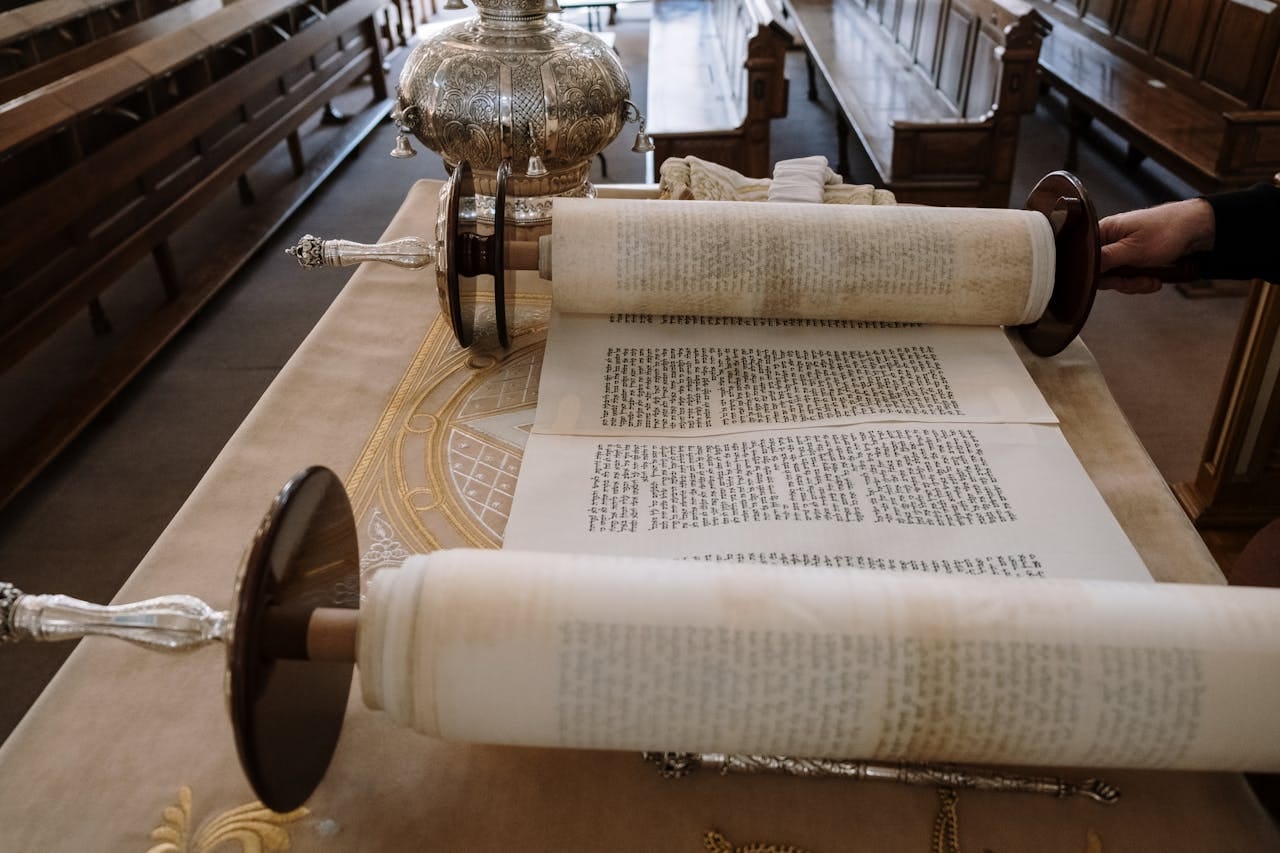
The Bible, revered by billions across the globe, stands as a cornerstone of faith, systematic morality, and human history. It operates simultaneously as a sacred text of transcendent authority and a monumental literary anthology. However, one central inquiry has captivated scholars, text critics, and theologians for millennia: Who wrote the Bible? The historical reality is that no single human actor did. Instead, the Bible is a diverse library of 66 distinct books (in the Protestant canon) compiled over a span of approximately 1,500 years by more than 40 different human authors.
To evaluate its origins accurately, a student must analyze the text through a dual framework: it is an organic product of human history, penned by real individuals writing from specific cultural contexts, and it is a divinely inspired document, orchestrated by a single divine mind. This comprehensive guide explores the historical identities of its authors, the scribal mechanics of its preservation, and the theological nature of its inspiration.
The Dual Nature of Authorship: Co-Operative Inspiration
Contrary to popular misconceptions, the Bible did not descend from heaven as a completed manuscript, nor was it produced via mechanical dictation where human writers acted as mindless pens. The text reflects a relational, cooperative framework where God utilized the distinct personalities, linguistic styles, historical vocabularies, and volitional agency of human actors to communicate His objective truth.
[Divine Mind / Holy Spirit] ---> Influences ---> [Human Agent / Volitional Personality] ---> Produces ---> [Inspired Autograph]
The writers of the Biblical Canon came from vastly different socioeconomic strata and professional walks of life over fifteen centuries:
- Monarchs and Statesmen: King David (psalmist), King Solomon (wisdom literature), and Nehemiah (imperial cupbearer).
- Prophets and Priests: Ezekiel (exilic priest), Isaiah (court prophet), and Jeremiah (weeping prophet).
- Laborers and Professionals: Amos (sycamore fig farmer), Luke (Gentile physician), Matthew (tax collector), and Peter (Galilean fisherman).
These individuals penned their manuscripts across three separate continents (Asia, Africa, and Europe) and utilized three distinct original languages: Biblical Hebrew (the primary language of the Old Testament), Imperial Aramaic (found in localized exilic portions like Ezra and Daniel), and Koine Greek (the international vernacular of the New Testament).
The ultimate apologetic signal for the Bible’s supernatural origin is its unity within diversity. Despite being separated by vast centuries, deep geographical boundaries, and sharp cultural divides, these forty independent voices weave together a single, coherent narrative arc focused on God’s redemptive provision and covenantal fidelity for humanity.
Who Wrote the Old Testament? The Law, Prophets, and Writings
The Old Testament, designated as the Tanakh within Jewish scholarship, comprises 39 books organized traditionally into three primary canonical divisions: the Law (Torah), the Prophets (Nevi’im), and the Writings (Ketuvim). Understanding the historical composition of these texts requires balancing ancient Israelite tradition with modern textual criticism.
The Law: Moses and the Composition of the Pentateuch
The first five books of the Biblical Canon—Genesis, Exodus, Leviticus, Numbers, and Deuteronomy—form the Torah or Pentateuch. Historical Jewish and Christian traditions firmly attribute the primary authorship of these foundational text blocks to Moses, the great liberator and lawgiver of Israel.
[Torah / Pentateuch]
  ├── Genesis (Origins & Abrahamic Covenant)
  ├── Exodus (Deliverance & Mosaic Covenant)
  ├── Leviticus (Holiness & Levitical Rituals)
  ├── Numbers (Wilderness Wandering & Testing)
  └── Deuteronomy (Recapitulation of the Law)
- Internal Scriptural Evidence: The text of the Pentateuch contains explicit markers affirming that Moses was commanded to record historical events, legal codes, and covenantal treaties (Exodus 17:14; 24:4; Deuteronomy 31:24). Furthermore, the New Testament authors and Jesus Christ routinely cite these books under the authoritative title of “The Law of Moses” (Mark 12:26; John 5:46–47).
- Modern Critical Challenges (The JEDP Theory): Since the 19th century, historical-critical scholars have advanced the Documentary Hypothesis (associated with Julius Wellhausen). This framework suggests that the Pentateuch was compiled centuries after Moses by anonymous scribal editors drawing from four distinct source documents: the Yahwist (J), Elohist (E), Deuteronomist (D), and Priestly (P) strands.
- The Scholarly Synthesis: While rigid higher criticism seeks to completely dismantle Mosaic connection, conservative and Provisionist scholars recognize that Moses is the primary strategic source and author behind the theological material. Scribes operating under divine inspiration could have easily compiled, polished, and updated geographical names or recorded Moses’s death (Deuteronomy 34) posthumously, preserving the text’s historical validity.
The Prophets (Nevi’im) and Historical Scribes
The prophetic and historical books of the Old Testament record Israel’s national journey from the conquest of Canaan to the traumatic dislocation of the Babylonian exile.
- The Historical Books: Books like Joshua, Judges, Samuel, and Kings function as anonymous prophetic histories. Israelite tradition credits figures like Joshua or Samuel with initiating the records of their respective eras, which were subsequently compiled into unified books by royal scribes or exilic prophets like Jeremiah.
- The Major and Minor Prophets: In contrast, the writing prophets—such as Isaiah, Jeremiah, and Ezekiel—are explicitly identified as the authors of their localized text blocks. These books represent the formal compilation of their spoken oracles, often dictated directly to professional scribes known as amanuenses. A classic example is Baruch, who serves as the personal scribe recording the spoken words of the prophet Jeremiah (Jeremiah 36:4).
The Writings (Ketuvim): Wisdom and Liturgical Poetry
The final section of the Hebrew Canon contains Israel’s devotional poetry, philosophical inquiries, and post-exilic histories.
- The Psalms: While routinely called the “Psalms of David,” this book is an anthology compiled by temple musicians over centuries. King David is the primary contributor, historically credited with writing 73 specific psalms. Other explicitly named authors include Asaph, the sons of Korah, Solomon, and even Moses (Psalm 90).
- Wisdom Literature: King Solomon serves as the primary literary force behind Israel’s sapiential books. He is credited with authoring the core collections of the book of Proverbs, the philosophical reflections of Ecclesiastes (under the title Koheleth), and the allegorical poetry of the Song of Solomon. The book of Job stands apart as an anonymous masterpiece set in the patriarchal era, focusing on the cosmic problem of suffering and the limits of human knowledge.
For further examination of the authors of the Old Testament consider “And Who Wrote Them? (Bava Batra 14b–15a) The List of Biblical Authors, Its Sources, Principles, and Dating” by Eran Viezel.
Who Wrote the New Testament? Eyewitnesses to the Messiah
The New Testament consists of 27 Koine Greek books that record the incarnation of Jesus Christ, the rapid missiological expansion of the early church, and the systematic explanation of New Covenant theology. Its authors were either direct apostles, eyewitnesses, or close companions of the apostolic circle.
The Four Evangelists: Biographies of the Cross
The canonical Gospels provide four distinct, multi-perspective biographical accounts of the life, ministry, crucifixion, and physical resurrection of Jesus.
       [ The Four Canonical Perspectives ]
        /         |             |        \
  Matthew       Mark          Luke       John
  (To Jews)   (To Romans)  (To Gentiles) (Theological)
- Matthew (Levi): A first-century tax collector called directly by Jesus to be one of the twelve apostles. Writing primarily for a Jewish-Christian audience, his text emphasizes Jesus as the long-awaited Davidic Messiah, systematically tracing Old Testament prophetic fulfillments.
- Mark (John Mark): A companion of both the Apostle Paul and the Apostle Peter. Historical Patristic traditions (specifically Papias in the early 2nd century) affirm that Mark functioned as Peter’s personal translator and scribe, recording the raw, action-oriented, eyewitness preaching of Peter for a Roman audience.
- Luke: A highly educated Gentile physician and travel companion of the Apostle Paul. Luke approached his writing through the lens of a meticulous historian, conducting eyewitness interviews to construct a detailed two-volume narrative: the Gospel of Luke and the Book of Acts (Luke 1:1–4; Acts 1:1).
- John: One of the inner circle of the twelve apostles (the “beloved disciple”). Writing later in the 1st century, John’s Gospel provides a deeply profound, cosmic theological perspective that explicitly defends the eternal divinity of Jesus Christ.
Paul: The Prolific Apostle to the Gentiles
The Apostle Paul (formerly Saul of Tarsus) is the author of 13 canonical epistles, making him the most prolific theological writer in Christian history. A brilliant Pharisaic scholar trained under Gamaliel, Paul experienced a radical conversion on the road to Damascus (Acts 9).
His letters—ranging from massive systematic treatises like Romans and Galatians to personal pastoral notes like Philemon and Timothy—were sent to specific local churches to define the doctrines of grace, justification by faith, and the universal scope of the gospel offer.
Technical Analysis of Gospel Authorship
To maximize your understanding of the historical and critical debates surrounding how the Gospels were compiled, explore this detailed breakdown of apostolic identity and manuscript evidence:
Historical Consensus and External Evidence
- The Synoptic Relationship: Textual critics study the immense structural overlap between Matthew, Mark, and Luke. The majority position in modern scholarship is Markan Priority, which argues that the Gospel of Mark was written first, serving as a primary narrative source for Matthew and Luke.
- The Voice of Peter behind Mark: External Patristic evidence from Justin Martyr and Papias confirms that John Mark did not invent his narrative material; he faithfully structured the oral confessions of Simon Peter while operating in Rome.
- The Anonymity of the Manuscripts: While the text blocks of the four Gospels are technically anonymous internally, every single ancient manuscript copy discovered across the ancient world bears the uniform titles Kata Matthaion (According to Matthew), Kata Markon, Kata Loukan, and Kata Ioannen. There is zero manuscript evidence showing these books ever circulated under alternative names.
Watch this complete lecture detailing the transmission and historical defense of Gospel authorship:
The General Epistles and the Mystery of Hebrews
The remaining books of the New Testament are categorized as the General (or Catholic) Epistles, written by key pillars of the early Jerusalem church:
- Peter, John, and the Brethren of Jesus: The Apostle Peter penned two letters focused on suffering and vigilance. The Apostle John authored three short letters alongside the majestic, apocalyptic book of Revelation, recorded while in political exile on the island of Patmos. James and Jude, both identified historically as half-brothers of Jesus, wrote practical epistles focused on orthopraxy and defending the faith against early gnostic corruptions.
- The Mystery of Hebrews: The authorship of the Epistle to the Hebrews remains one of the greatest mysteries in biblical scholarship. While medieval traditions assigned it to Paul, its polished, sophisticated Alexandrian Greek style, distinct vocabulary, and unique structural arguments diverge sharply from Paul’s signed letters. Academic candidates for authorship include Apollos (known for his oratorical brilliance), Luke, Barnabas, or Priscilla. Ultimately, as the early church scholar Origen famously stated, “Who wrote the epistle, in truth, God knows.”
How Was the Bible Written and Preserved?
The story of who wrote the Bible is fundamentally incomplete without evaluating the meticulous scribal infrastructure that preserved these texts across millennia.
Materials and Transmission Mechanics
The original manuscripts penned directly by the authors are called autographs. Because they were written on organic materials common to the ancient Mediterranean—papyrus (reed-based paper) and parchment (prepared animal skins)—the physical autographs degraded quickly through usage and climate exposure.
To transmit the text, professional guilds of scribes copied the manuscripts by hand. In the Jewish tradition, the transmission of the Hebrew text was governed by strict, mechanical copy rules later codified by the Tiberian Masoretes (7th–10th centuries C.E.). Scribes counted every single letter, line, and word on a page; if the central letter of a newly copied scroll did not perfectly match the central letter of the master manuscript, the entire scroll was destroyed to prevent corruption.
Original Autograph ---> Hand-Copied Family Stems ---> Textual Criticism Comparison ---> Modern Critical Edition
Textual Criticism and the Dead Sea Scrolls
Because human copyists can introduce minor variations (such as spelling changes, inverted words, or scribal slips), the academic discipline of Textual Criticism is deployed to compare thousands of ancient manuscripts and reconstruct the original reading with scientific precision.
The ultimate validation of this preservation system occurred in 1947 with the discovery of the Dead Sea Scrolls at Qumran. Scholars discovered Hebrew manuscripts of Old Testament books (including a complete scroll of Isaiah) dating back to the 2nd century B.C.E.
When textual critics compared these texts with the Masoretic Text compiled a thousand years later, they discovered near-perfect structural identity. The variations were completely trivial, involving minor grammar or spelling shifts that altered zero theological doctrines. This historic find proved that the scribal preservation system was exceptionally reliable.
Historical Reliability and Internal Evidence
To evaluate the core historical truth claims embedded within these ancient texts, scholars analyze both external archaeological data and internal literary features.
Assessing the Integrity of the Witness
- Archaeological Confirmations: Discoveries such as the Tel Dan Stele (confirming the historical “House of David”) and the Pool of Siloam have consistently vindicated the geographic and political landscapes recorded by Biblical authors.
- The Phenomenon of Undesigned Coincidences: Internal textual evidence provides some of the strongest proofs for historical reliability. When reading across different books, characters routinely drop casual, off-hand remarks that perfectly explain or fill a narrative gap in an entirely separate book without any signs of collusion. These undesigned coincidences signal that the authors were recording authentic, shared historical memories.
- The Criteria of Embarrassment: If the Biblical authors were inventing a fictional narrative to gain religious power, they would not have fabricated details that undermined their own authority. The texts openly record the moral failures of King David, the cowardice of the Apostles at the crucifixion, and the reality that women were the primary eyewitnesses to the resurrection (whose legal testimony was invalid in 1st-century courts). This internal honesty points directly to historical integrity.
Examine this comprehensive interview detailing the internal and external criteria for historical reliability:
Compilation and Canonization: Recognizing the Text
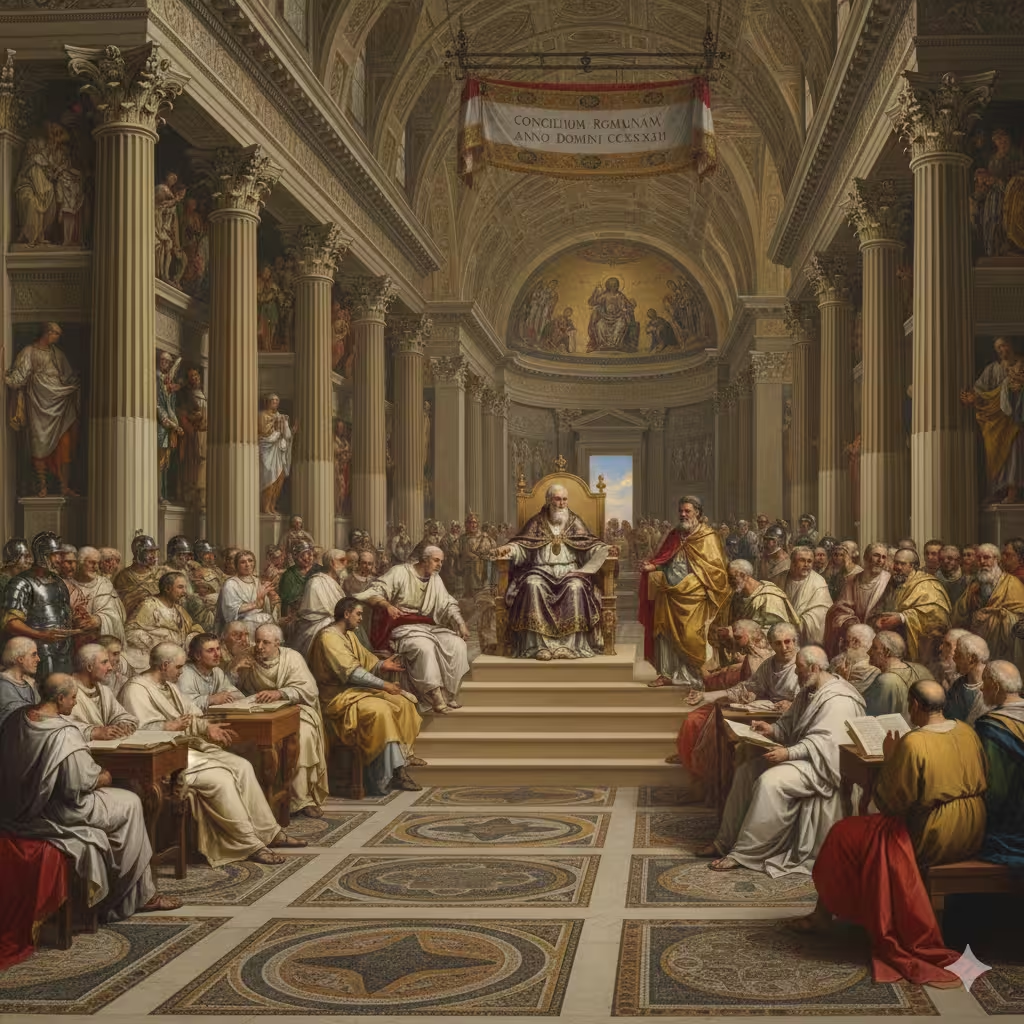
The process of canonization is not the event where a church council invented or gave authority to books; it is the historical process where the believing community formally recognized the books that already possessed inherent divine authority.
- The Old Testament Canon: The Hebrew Canon was progressively recognized as books were written by verified prophets. By the 2nd century B.C.E., the tripartite division (Torah, Nevi’im, Ketuvim) was structurally locked, a reality confirmed by the text of the Dead Sea Scrolls and the translation of the Greek Septuagint.
- The New Testament Canon: The early church finalized the recognition of the 27 New Testament books by the 4th century C.E., utilizing three strict academic criteria to filter out heretical or spurious writings:
- Apostolicity: Was the book written directly by an apostle or an immediate companion within the apostolic circle?
- Orthodoxy: Did the theological content perfectly align with the established, oral “rule of faith” delivered by Christ?
- Catholicity (Universality): Was the text universally accepted and read during public liturgy across the global church network?
Writings that failed these criteria—such as the late, heretical Gospel of Thomas or the Gospel of Judas—were explicitly rejected because they contained a corrupted Gnostic theology that contradicted the historical eyewitness testimony of the apostles.